usd2Shareholder roomShareholders

TRADE FINANCE

The capital behind
the movement.

The initial trade-finance plan supports QAF’s electric-vehicle programme between China and Saudi Arabia. USD2 would finance the working-capital cycle behind production, export and buyer collection.

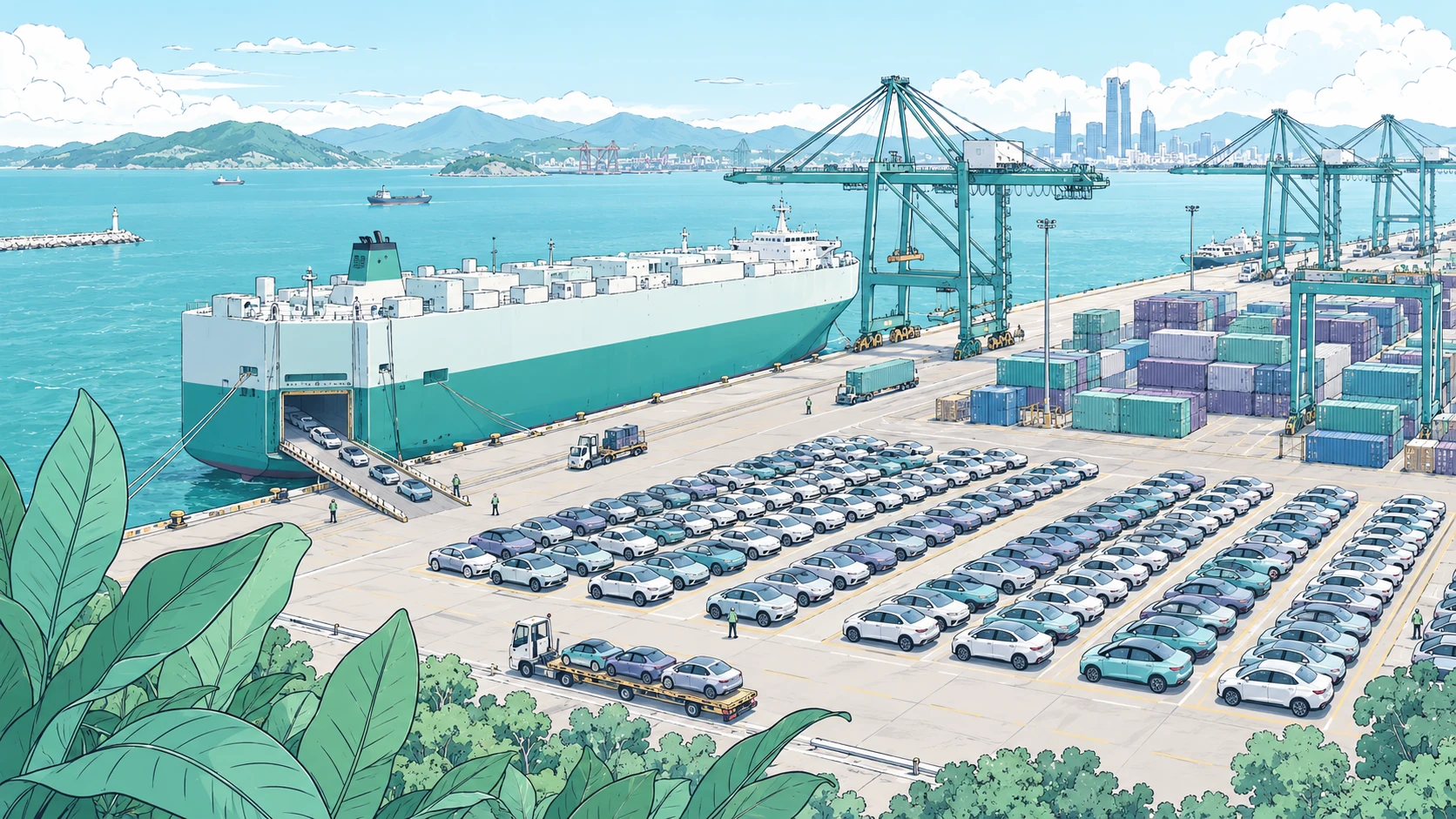
Illustration of an export port with cargo ship, containers and rows of vehicles
9,000

INITIAL EV PROGRAMME

China to Saudi Arabia

QAF has signed a memorandum of understanding for the programme, as reported by the GP team.

THE FINANCING CYCLE

An order becomes a collection

Trade creates a timing gap. A supplier incurs costs before the vehicle reaches its destination and before the buyer completes payment. USD2’s facility would address that gap through financing tied to documented milestones.

Production

Eligible supplier costs

Export

Vehicles and documents

Shipment

Delivery milestones

Acceptance

Buyer payment obligation

Collection

Capital returns to the fund

The diagram describes the financing cycle. It does not represent completed shipments or a final facility agreement.

USD2’S ROLE

Finance tied to the trade

The fund would provide transaction capital under a separate financing agreement. Draws would relate to eligible costs and supplier milestones. The repayment route would be built around the buyer’s payment obligations and controlled collection accounts.

That structure allows the facility to revolve through subsequent eligible batches as capital is repaid. The commitment amount and draw schedule will follow the agreed commercial and financing terms.

QAF’s operating activity and USD2’s financing activity have separate economics. The MoU establishes a programme relationship; its legal terms, payment protections and parties will determine the financeable obligation.

QAF

TIMING & LIQUIDITY

What a delay changes

A supplier can be paid before the buyer settles. That interval determines how long capital is occupied. The example below lets you change inventory, buyer terms, supplier credit and payment delay without assuming the economics of QAF’s programme.

The transaction assumptions

45 days
30 days
20 days
15 days
Base cash conversion cycle55days
Indicative timing requirement55,000USD eq.
With delayed collection70,000USD eq.
Extra liquidity needed15,000USD eq.

Cycle = inventory days + receivable days − payable days
Timing requirement = max(cycle, 0) × daily outflow

ILLUSTRATIVE SCENARIO

Editable example inputs are assumptions. This simplified timing model excludes growth, taxes, minimum cash, seasonal peaks, defaults, financing costs and actual facility terms. A negative cycle is shown with zero modelled funding need. Delay is capped so the total receivable period does not exceed 180 days. It is not a USD2 cash-flow forecast.

TRADE FINANCE

Explore in depth

SHAREHOLDER ROOM

Fund 1.

Capital structure, project detail and the operating plan for the LP–GP partnership.

Enter the shareholder room