Farmers and cooperatives
Access to working capital for inputs, equipment and the growing cycle, alongside tools for cooperative purchases, payroll and payments.
WORLD AGRICULTURE BANK
An institution in formation connecting farmers, cooperatives and rural enterprises with the financial services behind production and international trade.

MACAO · BANK IN FORMATION
WAB is being developed with the World Farmer Association. The association brings agricultural relationships; USD2’s role is to provide the bank’s initial cash capital.
The bank is in initial discussions with the Monetary Authority of Macao (AMCM). No banking licence has been approved.
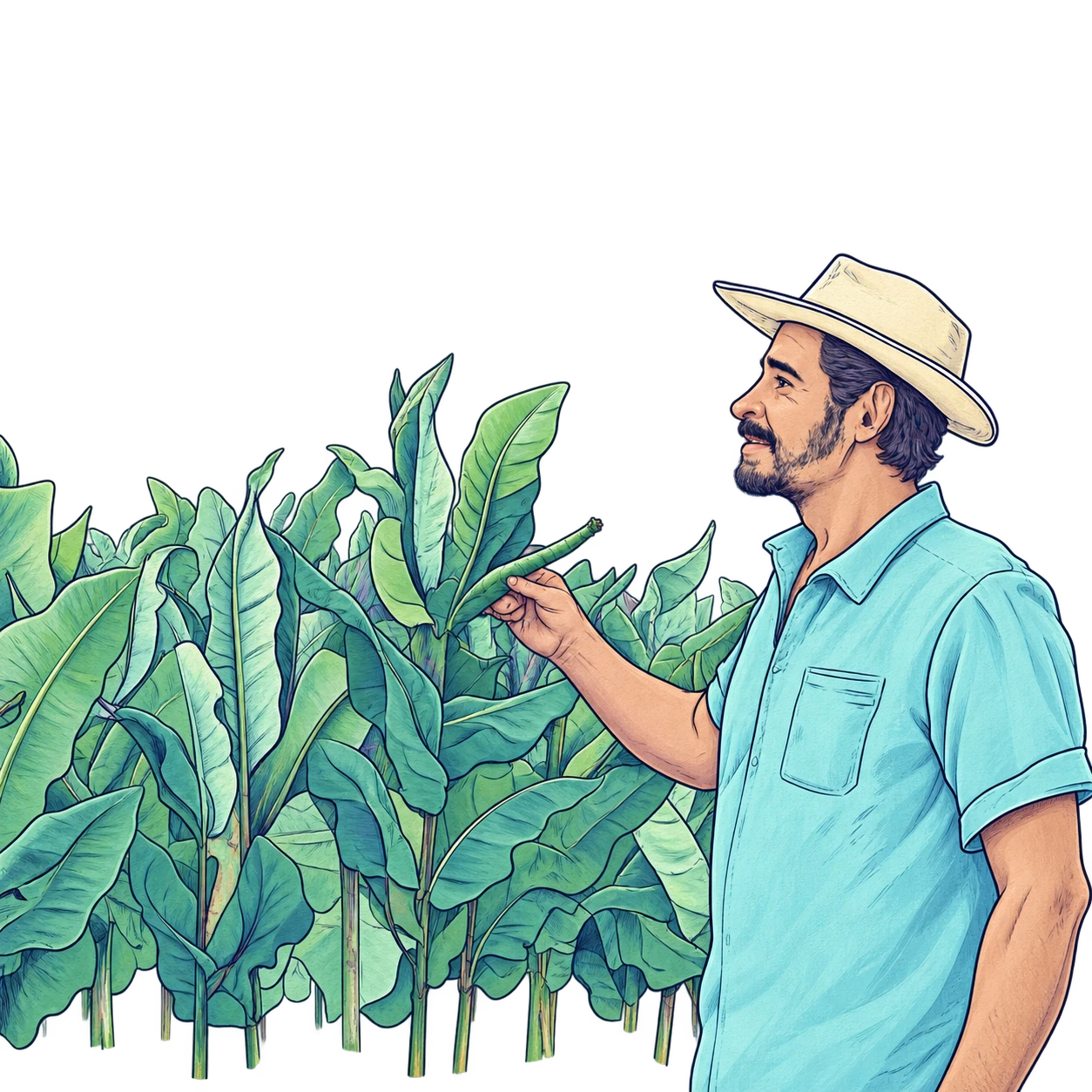
WHO THE BANK IS INTENDED TO SERVE
Access to working capital for inputs, equipment and the growing cycle, alongside tools for cooperative purchases, payroll and payments.
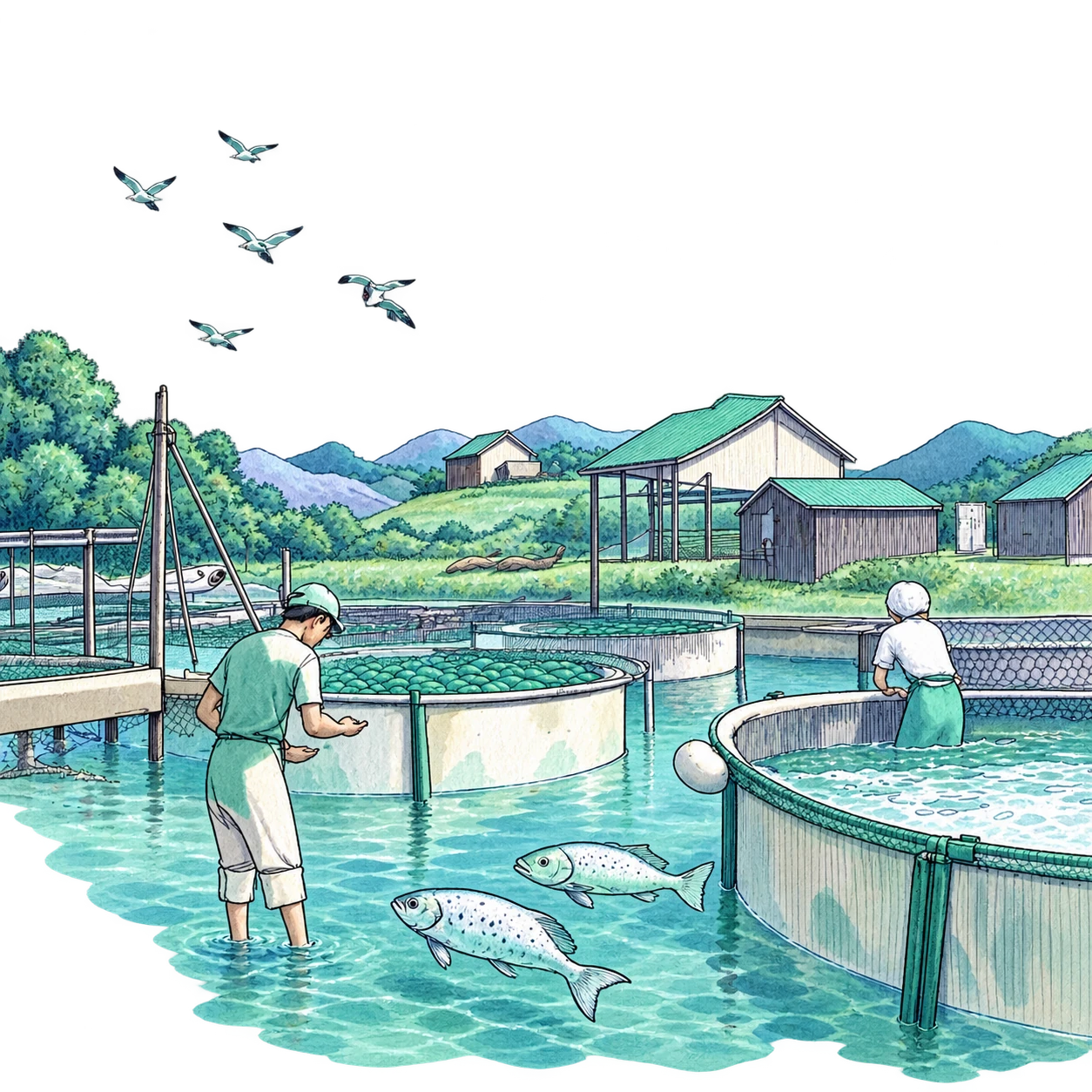
Finance for processors, storage operators, distributors and exporters. The service range includes trade finance, letters of credit, guarantees and lending for agricultural infrastructure.
Everyday access to accounts, transfers and remittances through a smartphone, supported by local onboarding and education.
THE DIGITAL PLATFORM
The World Wallet concept brings the customer relationship into a mobile interface. BankID is the personal identity layer, LEI identifies the legal entity, and Right-to-Sign (RTX) records who can approve a transaction for it.
The detailed platform and banking model are set out in the shareholder room.
USD2’S ROLE
USD2’s investment plan is a minority ownership position in WAB, alongside WFA’s majority interest. The fund supplies financial capital. The association contributes access to agricultural organisations and potential trade relationships.
Those relationships are the starting point for origination. Each borrower, trade flow and banking service still needs its own commercial assessment and applicable approvals.
WAB’s service descriptions reflect its operating model, drawn from the January 2025 and May 2026 presentations. They do not describe a bank currently offering these services.
THE FINANCIAL ACCESS NEED
World Bank data estimates 1.3 billion adults without an account in 2024. Rural access, service cost and distance remain practical constraints. A bank serving agriculture needs to understand those conditions alongside the production and repayment cycle.
INDEPENDENT RESEARCH · 2024 survey · Findex 2025
All adults ages 15+ in the indicated regional aggregate
| Measure | % of adults |
|---|---|
| East Asia & Pacific | 83.3 |
| Europe & Central Asia | 77.8 |
| Latin America & Caribbean | 69.7 |
| Middle East & North Africa | 52.9 |
| South Asia | 77.6 |
| Sub-Saharan Africa | 58.2 |
World Bank analytical regions; low- and middle-income economies only. High-income economies are excluded from the regional aggregates, including wealthy economies within the same geographic region. Use the World Bank supplied weighted aggregates; do not average country percentages. Regions reflect the Findex 2025 classification and surveyed coverage.
World Bank · Global Findex 2025FOOD SECURITY & STEWARDSHIP
SOFI 2026 estimates that approximately 645 million people experienced hunger in 2025. Finance can support production, storage and movement, but a viable operating model and measured outcomes determine the benefit of each investment.
WAB’s development framework connects environmental and social review to credit, customer service and reporting. Water, energy, land, labour and customer protection need evidence specific to the activity.
WORLD AGRICULTURE BANK
A banking relationship designed around the people who produce, the enterprises that buy, and the communities that depend on both.
Read the chapter02The unbanked population, the rural gap and the practical barriers an agricultural institution must understand.
Read the chapter03Seasonal working capital, equipment, produce-backed facilities and the discipline behind repayment.
Read the chapter04A cooperative can connect small producers to larger markets, while making member interests, payments and authority visible.
Read the chapter05Production, storage, transport and affordable access are connected parts of food security.
Read the chapter06Environmental, social and governance questions belong inside credit, operations and reporting.
Read the chapter07World Wallet, BankID, entity reference data and signing authority in one service design.
Read the chapter08Legal-entity identity, personal authentication and delegated authority answer different questions in a trade.
Read the chapter09Storage, processing, cold chains and rural infrastructure need operating models as well as capital.
Read the chapter10Connect producers, enterprises, payments and trade through a regulated institutional relationship.
Read the chapterSHAREHOLDER ROOM
Capital structure, project detail and the operating plan for the LP–GP partnership.