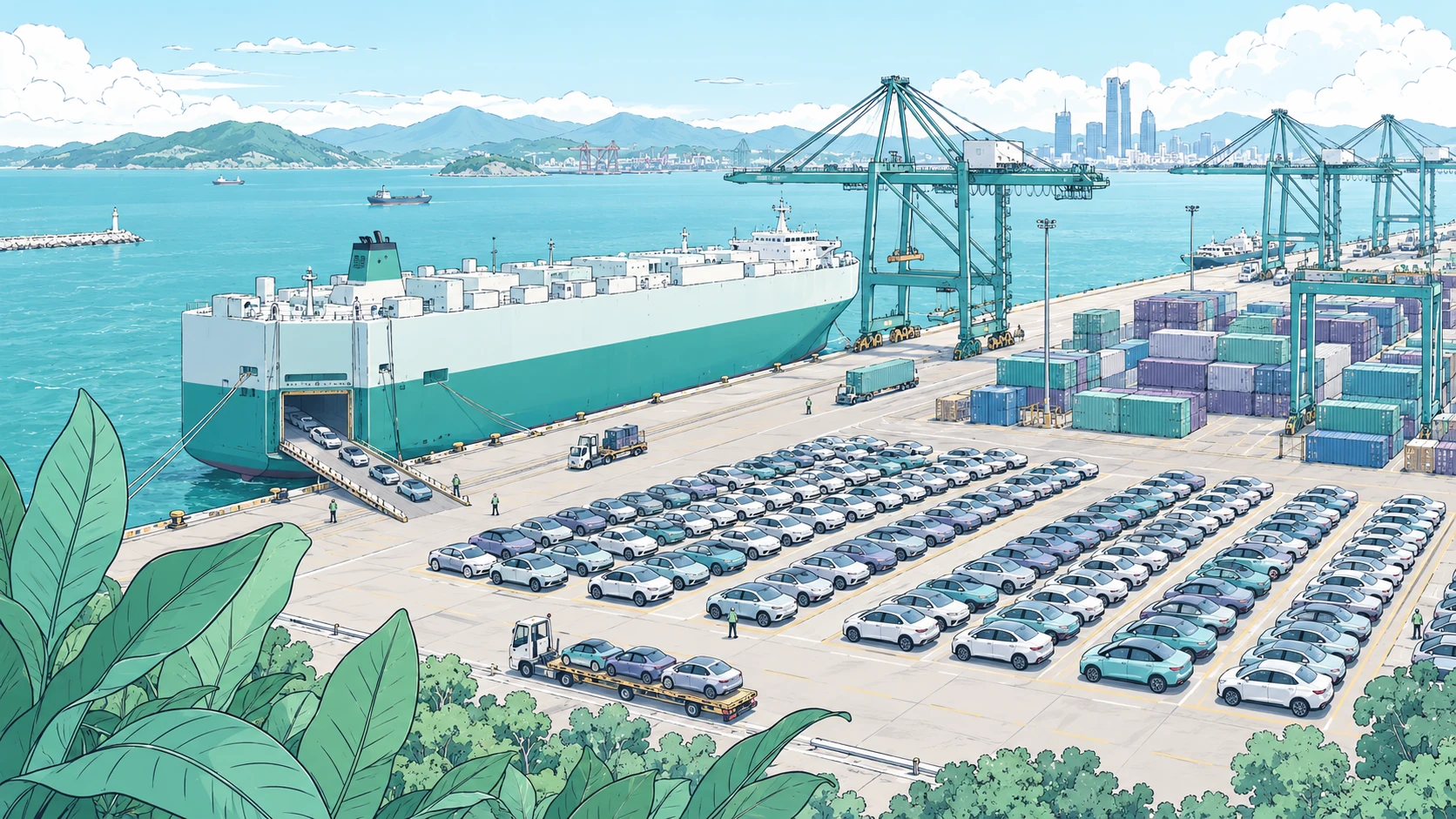
The starting trade corridor
The GP team reports a signed MoU for an initial 9,000-vehicle China–Saudi programme through QAF. USD2’s role is to support the working-capital cycle behind eligible production and supplier costs, shipment and collection.
The MoU has not been supplied for document review. The programme scale is therefore shown as reported, rather than as financed units, delivered vehicles or recognised revenue. A financing facility needs the definitive commercial and payment documents.
One programme, several commercial obligations
The financed cycle needs visibility from the production obligation to final collection. Responsibility, ownership and payment may change at different points.
- 01
Buyer order
Identify the purchasing entity, specification, acceptance conditions and payment obligation.
- 02
Supplier commitment
Identify the manufacturer, eligible costs, production schedule and quality requirements.
- 03
Export and shipping
Establish the logistics, insurance, documents, title and transport responsibilities.
- 04
Delivery and acceptance
Document the required acceptance, deficiencies and the event that triggers buyer payment.
- 05
Collection
Receive the buyer’s payment through the controlled route and reconcile the facility.
Underwrite the batch that will be funded
A programme can be divided into funded batches when production and delivery milestones support that approach. Each batch needs an eligible cost, draw amount, supplier, expected collection and relationship to existing exposure.
The programme’s headline number is not a facility size. Financing need depends on the vehicle cost, buyer deposits, supplier credit, logistics payments and timing. Those commercial inputs are not set in the current brief.
Payment delay changes capital occupancy
The interactive model shows how inventory, buyer terms and supplier credit affect a simplified liquidity need. Its assumptions are educational and do not estimate QAF’s facility amount.
The transaction assumptions
Cycle = inventory days + receivable days − payable days
Timing requirement = max(cycle, 0) × daily outflow
ILLUSTRATIVE SCENARIO
Editable example inputs are assumptions. This simplified timing model excludes growth, taxes, minimum cash, seasonal peaks, defaults, financing costs and actual facility terms. A negative cycle is shown with zero modelled funding need. Delay is capped so the total receivable period does not exceed 180 days. It is not a USD2 cash-flow forecast.
Credit support comes from the actual documents
The reported government-to-government context and PIF-related discussions do not by themselves establish a sovereign guarantee, unconditional purchase obligation or final payment protection. The enforceable obligation must be identified in the financing file.
The shareholder room develops the current QAF financing workflow and controls. QAF’s commercial programme and USD2’s fund partnership remain distinct relationships.